Evaluating Decorative Patterns for Fabric in Interior Design
Selecting the right aesthetic elements for a space involves more than just choosing colors; it requires a deep understanding of texture, scale, and repetition. Decorative patterns for fabric serve as a foundational component in interior design, bridging the gap between functional upholstery and artistic expression. Whether applied to drapery, cushions, or even adapted for wall coverings, these patterns dictate the mood and visual rhythm of a room. For individuals researching materials for a renovation or furnishing project, understanding the nuances of pattern selection is critical to achieving a cohesive and enduring result.
Understanding the Role of Pattern in Textiles
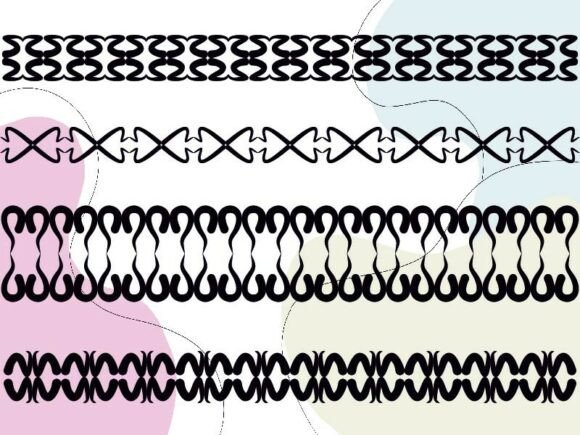
At its core, a decorative pattern is a repeated design element that creates a visual structure on a surface. In the context of textiles, this involves the interplay of motif, scale, and colorway. Unlike solid colors, which provide a uniform backdrop, decorative patterns for fabric introduce complexity and depth. They can range from geometric precision, such as chevrons and grids, to organic flows found in florals and damasks. The choice of pattern often determines whether a piece of furniture becomes a subtle supporting actor or the focal point of a room.
The interest in these patterns stems from their ability to manipulate spatial perception. A large-scale bold print can make a spacious room feel more intimate, while a small, tight repeat can add texture to a large area without overwhelming it. Furthermore, patterns are instrumental in defining stylistic eras; a specific ikat weave might suggest a global eclectic vibe, whereas a strict stripe aligns with modern minimalism. For homeowners and designers alike, the pattern is the primary tool for injecting personality into a space without permanent structural changes.
Benefits and Visual Impact
One of the primary advantages of utilizing decorative patterns for fabric is their capacity to conceal wear and tear. In high-traffic areas or households with children and pets, busy patterns such as tweeds, multi-colored geometrics, or dense florals are far more forgiving than solids. Stains, fading, and minor abrasions are less noticeable when dispersed across a complex design, extending the perceived life of the upholstery.
Beyond durability, patterns offer unparalleled versatility in styling. They allow for the layering of textures and the mixing of scales, which is essential for creating a curated, professional look. By introducing a patterned element, one can tie together disparate color tones found elsewhere in the room, acting as a visual anchor. Additionally, trends in textile design evolve rapidly, but classic patterns like toile or houndstooth offer a level of timelessness that resists dating a space too quickly.
Tradeoffs and Practical Considerations
Despite their aesthetic benefits, there are significant tradeoffs to consider when selecting patterned textiles. The most immediate challenge is pattern matching. When upholstering large pieces like sofas or installing floor-length drapes, the pattern must align seamlessly across seams. This requirement often leads to increased fabric waste, as extra yardage is needed to ensure the motif lines up correctly. Consequently, the cost of a project using patterned fabric can be 15% to 20% higher than one using solids, purely due to material consumption.
Another consideration is visual fatigue. While a bold pattern may look exciting in a showroom or a swatch book, it can become overwhelming when applied to a large surface area in a small room. High-contrast designs can create a sense of visual noise, potentially making a space feel chaotic rather than inviting. Readers evaluating options must consider the lighting conditions of their space; natural light enhances the details of a pattern, while dim lighting can muddy complex designs, rendering them indistinct.
Ideal Applications for Patterned Fabrics
Certain scenarios make decorative patterns for fabric a particularly strong fit. Accent chairs and ottomans are ideal candidates for bold, large-scale prints. Because these pieces occupy a smaller visual footprint, they can carry a heavy design load without dominating the room. Similarly, window treatments benefit significantly from pattern, as the vertical drop of drapes allows the motif to unfold naturally, adding height and grandeur to a space.
In commercial settings or rental properties, patterned fabrics are often preferred for their ability to mask imperfections and reduce maintenance frequency. A lobby chair upholstered in a textured geometric will maintain a fresh appearance longer than one in beige linen. Furthermore, in open-concept living areas where distinct zones need definition, a patterned sofa can visually separate the living zone from the dining area without the need for physical partitions.
When to Consider Alternatives
There are situations where alternatives to busy patterns may be more prudent. In rooms dedicated to relaxation, such as bedrooms or meditation spaces, solid colors or very subtle tonal textures are often superior. The human brain processes patterns continuously, and in a rest environment, this constant visual stimulation can be counterproductive to tranquility.
Additionally, if the architectural features of a room are already highly detailed—such as ornate moldings, intricate tile work, or statement lighting fixtures—introducing a competing pattern on the furniture can create conflict. In these instances, solid fabrics allow the architecture to shine. Another alternative worth considering is wallpaper. While the prompt focuses on fabric, it is worth noting that sometimes a desired pattern effect is better achieved on the walls rather than the furniture. Wallpaper offers a larger canvas for mural-scale designs that would be lost or chopped up on a cushion or chair.
Decision-Making Insights for Selection
To determine if decorative patterns for fabric align with your specific goals, begin by assessing the scale of the room relative to the scale of the pattern. A general rule of thumb is that large rooms can handle large patterns, while small rooms benefit from smaller repeats. However, breaking this rule intentionally can also yield dramatic results if executed with care.
Always obtain a large sample before committing. A small swatch cannot convey how a pattern behaves over several yards. Drape the sample over the intended furniture piece and observe it at different times of the day. Evaluate the "repeat" distance—the vertical length before the design starts over. A long repeat indicates higher installation complexity and cost.
Finally, consider the longevity of the design. Ask yourself if the pattern reflects a fleeting trend or a personal preference that will endure. If the goal is resale value, neutral solids with pattern introduced through easily replaceable accessories like throw pillows may be the safer strategic choice. By weighing the visual impact against practical constraints like budget, maintenance, and spatial dynamics, you can make an informed decision that balances beauty with functionality.